

Support for the European Arrest Warrant: Ensuring Justice Across Borders
The European Arrest Warrant (EAW) plays a crucial role in facilitating cooperation between EU member states in combating crime. It allows for the arrest and transfer of individuals across borders, streamlining judicial processes and ensuring that justice is served efficiently. For an in-depth look at EAW matters across EU jurisdictions, visit support on European arrest warrant matters https://pbisaz.org/wp-content/pgs/support-on-european-arrest-warrant-matters-across-eu-jurisdictions.html.
Understanding the European Arrest Warrant
The EAW, established in 2004, replaced extradition procedures within the EU. Its primary objective is to simplify the process of transferring criminal suspects or sentenced individuals from one EU member state to another. This mechanism is essential in an era of increasing cross-border crime, where traditional extradition methods can be slow and convoluted. By allowing for direct surrender between judicial authorities, the EAW ensures that legal proceedings are not stalled due to bureaucratic delays.
Criteria for Issuing a European Arrest Warrant
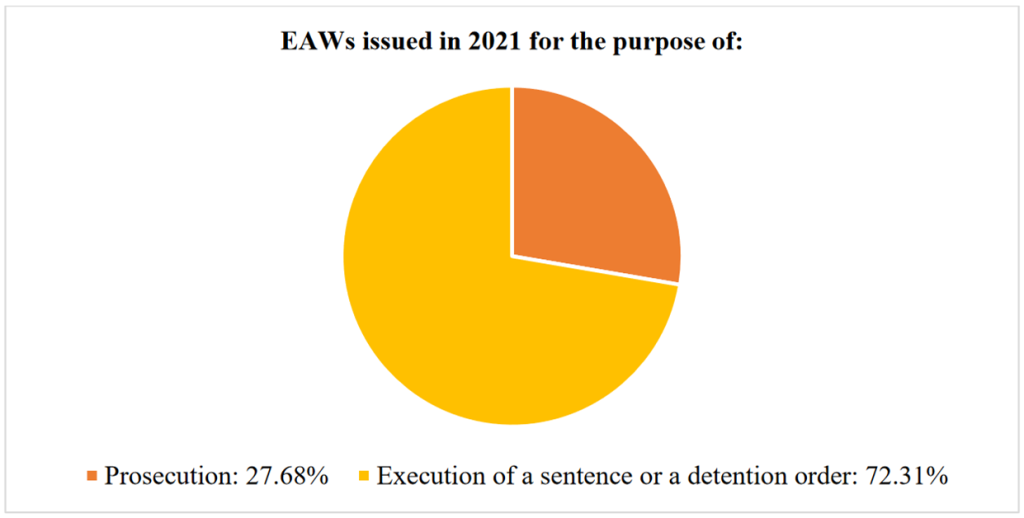
To issue a European Arrest Warrant, specific criteria must be met. The warrant can only be issued for individuals wanted for prosecution for serious crimes, which include offenses punishable by imprisonment of at least 12 months, or for individuals who have been sentenced to a term of imprisonment of four months or more. The legal basis for issuing an EAW must be present, indicating that there are valid charges against the individual in question.
Procedural Aspects
The procedure for executing a European Arrest Warrant involves several key steps. Once a warrant is issued, the requested state must execute it without undue delay. Member states are required to recognize the EAW and are bound to surrender the individual unless certain exceptions apply. These exceptions include situations where the EAW is deemed to be abusive or discriminatory, if the executing state has already dealt with the same offense, or if the individual is a national of the executing state.
Legal Support and Representation
Legal representation in cases involving the EAW is paramount. Individuals who find themselves subject to an EAW should seek counsel familiar with both the issuing and executing country’s laws. Legal professionals can provide essential guidance on the implications of the warrant, assist in navigating the legal processes, and represent the individual in proceedings. Understanding the legal environment and the rights of the accused is crucial for ensuring a fair trial and treatment during the extradition process.
Rights of Individuals Under the EAW
The EAW framework includes provisions to protect the rights of individuals targeted by the warrant. It emphasizes the right to a fair trial, legal representation, and access to essential information about the charges against them. The principle of mutual recognition also underpins the EAW, meaning individuals cannot be re-prosecuted for the same offense in the executing state if they have already faced justice in the issuing state.
Challenges and Controversies
While the EAW aims to enhance cooperation among EU countries, it has not been without challenges. Concerns regarding potential abuses of the system, disparities in legal protections across member states, and the possibility of extraditing individuals to countries with inadequate legal safeguards have raised questions about the efficacy and fairness of the EAW. Additionally, high-profile cases have highlighted the complexities involved in balancing judicial efficiency with individual rights.
Future Developments
As the EU continues to evolve, discussions around the European Arrest Warrant are ongoing. Legal reforms and improvements to the system may be necessary to address existing challenges and ensure that the EAW remains a viable tool for combatting cross-border crime while safeguarding individual rights. Collaboration among member states, along with effective legal support for individuals involved, will be vital in shaping the future of the EAW.
Conclusion
The European Arrest Warrant is a significant mechanism for enhancing judicial cooperation within the EU, contributing to the swift and efficient prosecution of criminals who cross borders. As complexities surrounding international law and individual rights continue to evolve, it is essential for legal professionals to provide robust support and guidance for those affected by the EAW. Understanding the intricacies of this process will help navigate the challenges and work towards a more integrated and fair justice system across Europe.